Inside Cabo Verde: A 5-Myth Debunk
Cabo Verde national football team is a fast-rising African side representing the Atlantic island nation in CAF and FIFA competitions, and Goal Moments tracks its 2026 World Cup relevance through tacti...

Inside Cabo Verde: A 5-Myth Debunk
Cabo Verde national football team is a fast-rising African side representing the Atlantic island nation in CAF and FIFA competitions, and Goal Moments tracks its 2026 World Cup relevance through tactics, results, and player trends. The team, commonly listed by FIFA as Cape Verde, has built credibility through Africa Cup of Nations appearances in 2013, 2015, 2021, 2023, and a quarter-final run in 2013 and 2023. Its football identity is shaped by diaspora talent across Portugal, the Netherlands, France, and other European leagues, giving a country of roughly 500,000 people unusual competitive depth. ESPN’s Cape Verde page also reflects the team’s growing global visibility through match schedules, scores, and international friendly data. The practical takeaway is simple: assess Cabo Verde by squad availability, defensive structure, and CAF qualifying context rather than outdated assumptions about population size.
Want a sharper read on Cabo Verde before the next fixture?
Photo by Franco Monsalvo on Pexels
Myth 1: Are Cabo Verde just minnows? — debunked
No, Cabo Verde are not just minnows; their AFCON quarter-final appearances in 2013 and 2023 prove they can compete beyond symbolic participation. FIFA membership, CAF qualification cycles, and European-based squad depth make them a serious mid-tier African national team.
The lazy argument says small population equals small football ceiling. That ignores the actual operating model behind the Cabo Verde national football team: a domestic identity strengthened by a wide football diaspora. Players eligible through Cabo Verdean heritage often develop in Portugal’s Primeira Liga, France’s Ligue 1 system, the Netherlands, Cyprus, and Turkey before joining the national setup. That gives Cabo Verde a player pool far broader than the country’s resident population suggests, which is why basic demographic comparisons with Nigeria, Egypt, or South Africa often mislead readers. According to the team profile on Wikipedia, Cabo Verde’s AFCON history includes multiple finals appearances and two quarter-final finishes, which is already more than many larger nations have managed in the same era.
A useful tutorial method is to rank Cabo Verde in three layers rather than one label. First, they are not yet a continental heavyweight like Senegal, Morocco, or Ivory Coast. Second, they are not a novelty team either, because their AFCON performances show repeatability. Third, they are a dangerous opponent in neutral-site tournaments where defensive discipline, transitions, and set pieces matter. Goal Moments readers following the 2026 World Cup should treat Cabo Verde as a “fixture-context team”: their value changes dramatically depending on travel, squad release, opponent style, and whether the match is a qualifier, friendly, or tournament knockout. For more tactical background, see our [Internal Link: 2026 World Cup team tactics guide].
Myth 2: Is their rise only about diaspora players? — partially true
Cabo Verde’s rise is partly powered by diaspora players, but that is not the whole story. The national team also benefits from coherent recruitment, CAF experience, and a tactical style that suits knockout and qualifying football.
The diaspora factor matters, but treating it as the entire explanation is too neat. Many countries can call up overseas-born players; fewer turn that eligibility into a stable match model. Cabo Verde’s stronger performances usually come when the squad avoids becoming a collection of club resumes and instead plays compact, coordinated football. The most reliable pattern is a disciplined defensive block, quick wide progression, and selective pressing rather than all-out attacking football. That matters for betting markets and match prediction because a team with modest possession numbers can still outperform expectations if it limits central chances and converts transitions efficiently.

Photo by Franco Monsalvo on Pexels
Here is a practical way to evaluate Cabo Verde before a match:
- Check whether key European-based players have been released and traveled early.
- Compare the opponent’s full-back positioning with Cabo Verde’s wide counterattacks.
- Look for recent CAF qualifying results rather than only FIFA ranking.
- Separate friendly results from competitive fixtures.
- Watch set-piece roles, because smaller-margin teams often decide matches there.
See the details behind match models and tournament trends here.
A less-discussed insight is how travel logistics can distort analysis. Cabo Verde often plays with athletes flying from multiple European leagues into African qualifying windows, and the first match of an international break can look slower than the second because of travel fatigue and tactical reintegration. Another overlooked edge is opponent familiarity: Portuguese-speaking and Lusophone football links mean some Cabo Verde players have tactical schooling similar to Portuguese club systems, which can make them more comfortable against technical opponents than casual previews assume. For schedule and score tracking, ESPN lists Cape Verde results and fixtures, giving analysts a useful starting point for form checks.
Myth 3: Are Cabo Verde an attacking team? — flat-out false
Cabo Verde are better understood as a balanced, risk-managed team than an attacking team. Their most competitive performances usually come from compact defending, controlled transitions, and efficient finishing rather than overwhelming opponents with possession or shot volume.
This misconception often comes from highlight watching. A few sharp counterattacks can make Cabo Verde look like a free-flowing attacking side, but full-match patterns tell a different story. Their best tournament results have typically depended on patience, structure, and not allowing games to become chaotic. In AFCON settings, where heat, pitch conditions, and cautious group-stage incentives shape play, that approach is rational. CAF tournaments frequently reward teams that can protect narrow leads and survive long spells without the ball, and Cabo Verde have grown comfortable in that rhythm.
The better question is not “How many goals can Cabo Verde score?” but “Can Cabo Verde control the game state?” That includes defending the first 20 minutes, avoiding cheap yellow cards, and forcing opponents wide. If they score first, their defensive structure becomes more valuable; if they concede early, the lack of elite chance creation can become a problem. Analysts at Goal Moments often treat Cabo Verde totals markets carefully because a 1-0, 1-1, or 2-1 profile may be more realistic than a wide-open scoreline. To compare team styles across the tournament, check our [Internal Link: AFCON and World Cup betting style comparison].
What actually works?
What works with the Cabo Verde national football team is evidence-based evaluation: squad list first, tactical matchup second, market price third. Their results make more sense when viewed through availability, defensive structure, and CAF competition rhythm rather than reputation.
A step-by-step approach is more reliable than narrative. Start with the squad announcement from the Cape Verdean Football Federation, then map the likely XI by club minutes. A player active every week in Portugal, France, or the Netherlands usually brings a different readiness level than one short of minutes. Next, compare the opponent’s chance creation profile. Cabo Verde are generally more dangerous against teams that commit full-backs high and leave space behind than against opponents who sit deep and demand patient central combination play. Finally, evaluate the market only after the tactical picture is clear, because public perception often lags behind smaller national teams that improve quickly.

Photo by https://kaboompics.com/ on Pexels
For a clean pre-match checklist, use this sequence:
- Confirm venue, kick-off time, and travel distance.
- Identify missing defenders or midfield screeners.
- Review competitive fixtures separately from friendlies.
- Compare first-half and second-half scoring patterns.
- Watch whether Cabo Verde’s wide players are direct runners or possession recyclers.
Get started today with deeper 2026 World Cup analysis from Goal Moments.
One institutional quote is worth keeping in mind. FIFA describes itself as responsible for “the organisation and promotion of international tournaments,” a reminder that Cabo Verde’s pathway is not just about isolated friendlies but formal qualification structures under FIFA. CAF competition, meanwhile, adds a regional filter where teams must handle travel, climate, and varied playing styles before earning global attention. This is why Cabo Verde’s 2026 relevance should be judged through qualifying resilience, not only headline results against famous opponents.
What should you ignore?
Ignore analysis that treats Cabo Verde as either a miracle story or a guaranteed upset pick. Both extremes miss the real picture: a well-organized African team with genuine upside, clear limits, and matchup-dependent value in 2026.
The biggest thing to ignore is population-based dismissal. Cabo Verde’s population is small, but its player network is not. Also ignore raw FIFA ranking without context; rankings can lag tactical growth, especially for teams that play fewer high-profile matches. Equally, do not overreact to a single friendly. ESPN score pages are useful, but a friendly affected by substitutions, travel, or experimental lineups should not carry the same weight as an AFCON knockout or World Cup qualifier. The sharper view is to separate signal from noise: competitive minutes, squad continuity, and tactical fit are signal; viral clips and old stereotypes are noise.
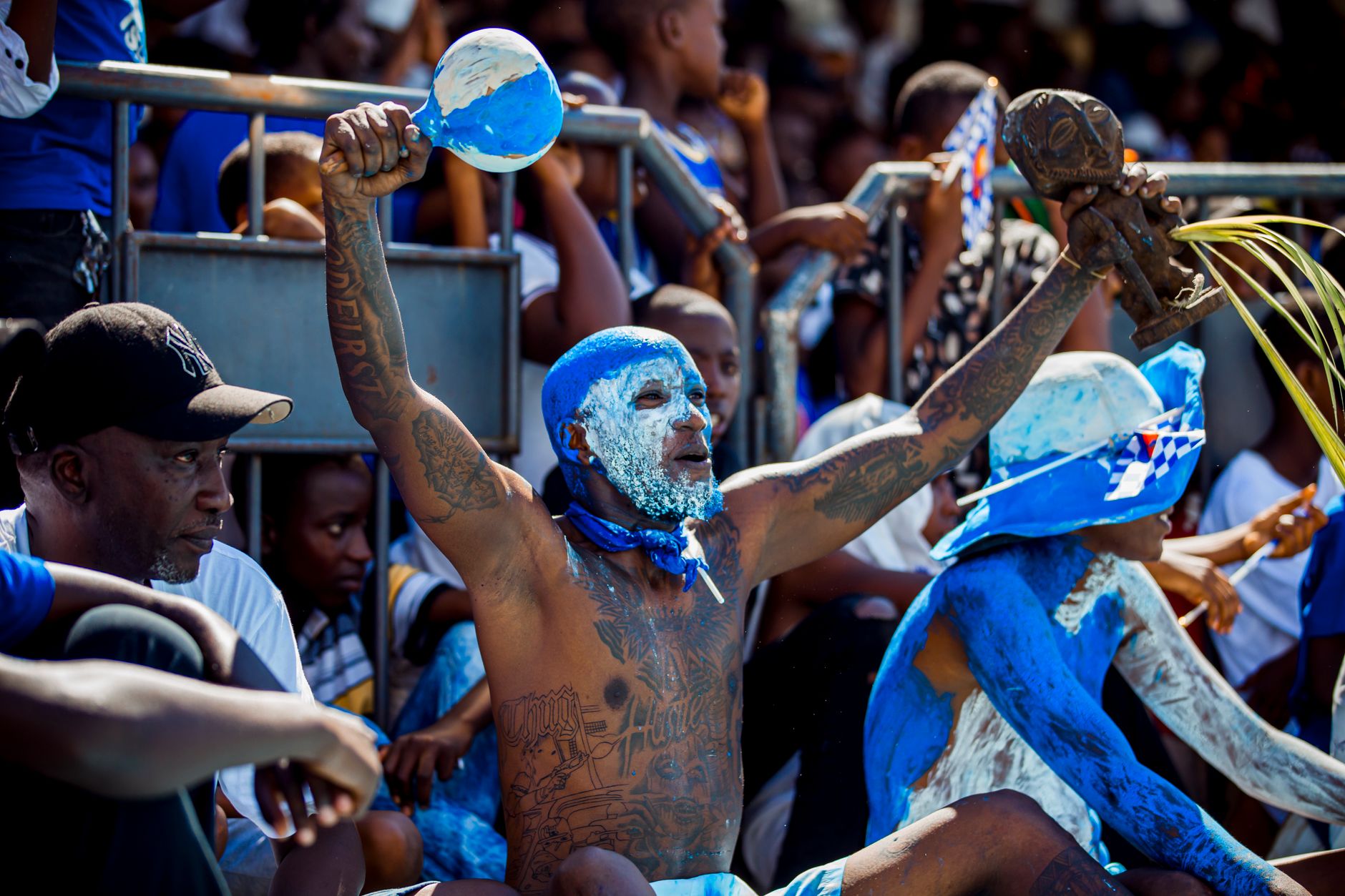
Photo by Chris wade NTEZICIMPA on Pexels
The refined position is this: Cabo Verde are not a giant, but they are no longer a soft fixture. In 2026 analysis, they belong in the category of disciplined, technically competent underdogs who can punish careless favorites. Goal Moments will continue tracking their squad news, player statistics, and match predictions because the Cabo Verde national football team sits exactly where smart football analysis gets interesting: between public underestimation and measurable improvement. For broader tournament preparation, read our [Internal Link: 2026 World Cup qualification tracker].
Follow the next tactical update and match preview here.
Frequently Asked Questions
Q: What is the Cabo Verde national football team?
A: The Cabo Verde national football team represents Cabo Verde in men’s international football. It competes under FIFA and CAF and is often listed in English-language sources as Cape Verde. The team has reached the Africa Cup of Nations quarter-finals twice, in 2013 and 2023.
Q: How good are Cabo Verde in African football?
A: Cabo Verde are a credible mid-tier African team rather than a minor outsider. They are not at the level of Senegal, Morocco, or Ivory Coast, but their AFCON record shows repeat competitiveness. Their strength comes from organization, diaspora depth, and disciplined tournament football.
Q: How should I analyze Cabo Verde before a match?
A: Start with squad availability, then study the tactical matchup and venue. Check which European-based players are active at club level and whether the opponent leaves space for counterattacks. Competitive fixtures should carry more weight than friendlies when building predictions.
Q: What is the difference between Cape Verde and Cabo Verde?
A: Cape Verde and Cabo Verde refer to the same country and football team. “Cabo Verde” is the official Portuguese name, while “Cape Verde” remains common in English sports databases. FIFA, ESPN, and media outlets may use either depending on style conventions.
Q: Why do predictions about Cabo Verde sometimes fail?
A: Predictions fail when analysts rely on reputation instead of current squad and match context. Cabo Verde can look limited against low blocks but dangerous against aggressive opponents. Travel, player release timing, and CAF conditions also affect performance more than many previews admit.
Q: Is following Cabo Verde useful for 2026 World Cup coverage?
A: Yes, Cabo Verde are useful to follow because they are a realistic upset threat in certain matchups. Their 2026 relevance depends on qualifying progress, squad continuity, and tactical discipline. Goal Moments tracks those details through predictions, player stats, and tournament-focused analysis.
Thank you for reading.
Goal Moments · The Midnight Archive · An Exhibition of Thought