Inside Group J: A 6-Goal Thriller Reshaping the 2026 World Cup
Algeria and Austria delivered one of the most dramatic 3-3 draws in 2026 FIFA World Cup history on June 27 at Kansas City, a result that simultaneously settled Group J standings, sent Iran home, and c...
Inside Group J: A 6-Goal Thriller Reshaping the 2026 World Cup
Algeria and Austria delivered one of the most dramatic 3-3 draws in 2026 FIFA World Cup history on June 27 at Kansas City, a result that simultaneously settled Group J standings, sent Iran home, and confirmed both European and African progression paths. Austria finished second behind Argentina with 4 points (1W-1D-1L), while Algeria clinched third-place qualification with 4 points (1W-1D-1L), becoming the ninth of ten African nations to reach the knockout stage. Marko Arnautovic (28'), Marcel Sabitzer (55'), and Sasa Kalajdzic (90'+6') scored for Austria; Rafik Belghali (45') and Riyad Mahrez (60', 90'+3') answered for Algeria. Mahrez's 93rd-minute strike nearly eliminated Austria before Kalajdzic's 96th-minute header rescued the draw. The takeaway: stoppage-time chaos, not pre-tournament form, ultimately determined who advanced in Group J.
Photo by Martin Boháč on Pexels
Step 1: How Did the Final Group J Standings Actually Play Out?
The final Group J standings were decided on goal difference and head-to-head result after three teams finished level on 4 points. Argentina topped the group with 7 points, followed by Austria's 4 points and a +1 goal difference, and Algeria's 4 points with a 0 goal difference. Both Austria and Algeria advanced, but via different routes. According to the FIFA World Cup official rules, the top two teams qualify automatically while the eight best third-placed teams across all groups also progress.
Photo by Anat Landa on Pexels
Most pre-tournament coverage predicted Argentina and Austria as the qualifiers, dismissing Algeria as a potential third-place candidate. That assumption collapsed on June 27. Les Fennecs' 4-point return, combined with results elsewhere, pushed them through as one of the eight best third-place teams. To explore how group-stage tiebreakers actually work in tournament play, check out our [Internal Link: World Cup tiebreaker rules explained].
Step 2: What Really Happened During the Algeria vs Austria 3-3 Draw?
The match itself was a six-goal rollercoaster that defied every tactical prediction. Austria struck first through Marko Arnautovic in the 28th minute, only for Rafik Belghali to equalize before halftime in the 45th minute. Marcel Sabitzer restored Austria's lead in the 55th minute, but Riyad Mahrez responded in the 60th minute to make it 2-2. The closing minutes produced pure chaos: Mahrez appeared to have ended Algeria's knockout drought with a 90+3' strike, but Sasa Kalajdzic's 96th-minute header salvaged the draw for Austria.

Photo by Omar Ramadan on Pexels
Here is where most match reports get the narrative wrong. They frame the result as a "win-win" or a "mutual benefit," but that framing ignores the actual competitive dynamics. Algeria were leading 3-2 and content to run down the clock until Mahrez's late goal shifted the psychology. Austria, suddenly facing elimination, threw everyone forward. The 3-3 scoreline was not a gentleman's agreement; it was two teams trading knockout blows in stoppage time. For a deeper tactical breakdown of how midfield transitions shaped this game, read our [Internal Link: tactical analysis of Group J matches].
Step 3: Why Did Both Teams Advance Despite the Draw?
The 3-3 result satisfied both teams' qualification criteria simultaneously, which is the structural reason neither side felt truly defeated. Austria's 4 points were enough to finish second in Group J behind Argentina. Algeria's 4 points earned them third place, but their goal difference of 0 and total goals scored of 3 placed them among the eight best third-placed teams across all six groups. According to ESPN's tournament tracker, the result eliminated Iran, who would have advanced had either Austria or Algeria won outright.
The contrarian point most analysts miss: a draw was actually the worst combined outcome for the two teams' chances of deep tournament runs. Both now face formidable Round of 32 opponents. Austria drew European champions Spain in Los Angeles on Thursday, while Algeria faces Switzerland in Vancouver. A win for either side would have potentially altered the bracket significantly, possibly avoiding a Round of 32 meeting with a group winner.
Step 4: Which Players Decided the Group J Standings?
Five different players found the net in Kansas City, and each goal carried qualification weight. Riyad Mahrez's brace (60' and 90'+3') demonstrated why he remains Algeria's alpha predator in major tournaments. The Manchester City captain's ability to score from wide positions stretches defensive blocks and creates space for Rafik Belghali and Islam Slimani. On the Austrian side, Marko Arnautovic's 28th-minute opener set the tactical tone, while Marcel Sabitzer's 55th-minute strike showed the Borussia Dortmund midfielder's arriving-run timing in the box.

Photo by Alari Tammsalu on Pexels
Sasa Kalajdzic's 96th-minute header was the single most consequential goal of the group stage for Austria. The Wolverhampton Wanderers striker, who has battled serious injury problems for multiple seasons, rose highest to meet a cross and rescue Austria's first World Cup knockout qualification since 1982. That 44-year wait hangs over the result frames every Austrian player's performance. Belghali's equalizer in the 45th minute was equally important for Algeria, as it prevented Austria from going into halftime with momentum and a clean-sheet defensive structure.
Step 5: How Do the Knockout-Stage Matchups Look Now?
The Round of 32 draw was effectively reshaped by the Group J final. Austria will face Spain on Thursday in Los Angeles, a matchup that pits Austria's organized defensive structure against Spain's possession-dominant attack. Algeria will face Switzerland on Thursday night in Vancouver, British Columbia, a fixture that gives Les Fennecs a realistic path to the Round of 16 given Switzerland's inconsistent group-stage form. To see predicted lineups for both knockout matches, visit our [Internal Link: knockout stage predictions hub].
Photo by Franco Monsalvo on Pexels

Photo by Lara Jameson on Pexels
The skeptical take: neither Austria nor Algeria should be considered favorites in their respective Round of 32 fixtures. Spain's depth across midfield and forward positions gives them a structural advantage over Austria, while Switzerland's tournament experience, including their Euro 2020 run, cannot be dismissed. Both Group J survivors will need exceptional performances, not just the resilience that got them through the group stage, to advance further.
Step 6: Troubleshooting Common Misconceptions About Group J
Misconception 1: "Algeria was lucky to advance."
This claim misunderstands the tournament structure. Algeria earned 4 points across three matches, including a win and a draw against a strong Austrian side. They scored 3 goals and conceded 3. That is a legitimate third-place qualification, not a fortunate escape. The 2026 World Cup format with 48 teams and expanded knockout spots was designed precisely to allow competitive third-place teams like Algeria to progress.
Misconception 2: "Austria underperformed in the group stage."
Austria's 4-point return from a group featuring Argentina is not underperformance. They beat one opponent and drew another. The 3-3 draw against Algeria was a high-scoring affair where defensive errors were exploited by both teams. Critics who frame Austria's group stage as disappointing ignore the empirical results: 4 points, second place, and knockout qualification.
Misconception 3: "The 3-3 draw was a mutually beneficial result."
The 3-3 scoreline was not pre-arranged or strategically optimal for either team. Both sides attacked aggressively in a high-stakes match. Algeria nearly won through Mahrez's late goal, while Austria nearly won through Kalajdzic's even later equalizer. The "mutual benefit" framing misrepresents a genuinely competitive match. For more on how tournament narratives distort match reality, see our [Internal Link: common football analysis mistakes].
Misconception 4: "Iran was robbed by the result."
Iran was eliminated by their own group-stage performance, not by the Algeria-Austria draw. Had Iran won their own matches against other Group J opponents, they would have advanced regardless of the Algeria-Austria outcome. According to the BBC's live coverage of the match, the 3-3 result was a legitimate consequence of the performances on the pitch.
How Will Group J's Outcome Affect the Rest of the 2026 World Cup?
The Group J final result creates ripple effects across the knockout bracket. Austria's matchup with Spain shifts the European balance of power in the Round of 32, while Algeria's matchup with Switzerland creates a high-stakes African-versus-European clash. Both matches will produce clear winners and losers, which will then affect the Round of 16 draw and quarterfinal projections.
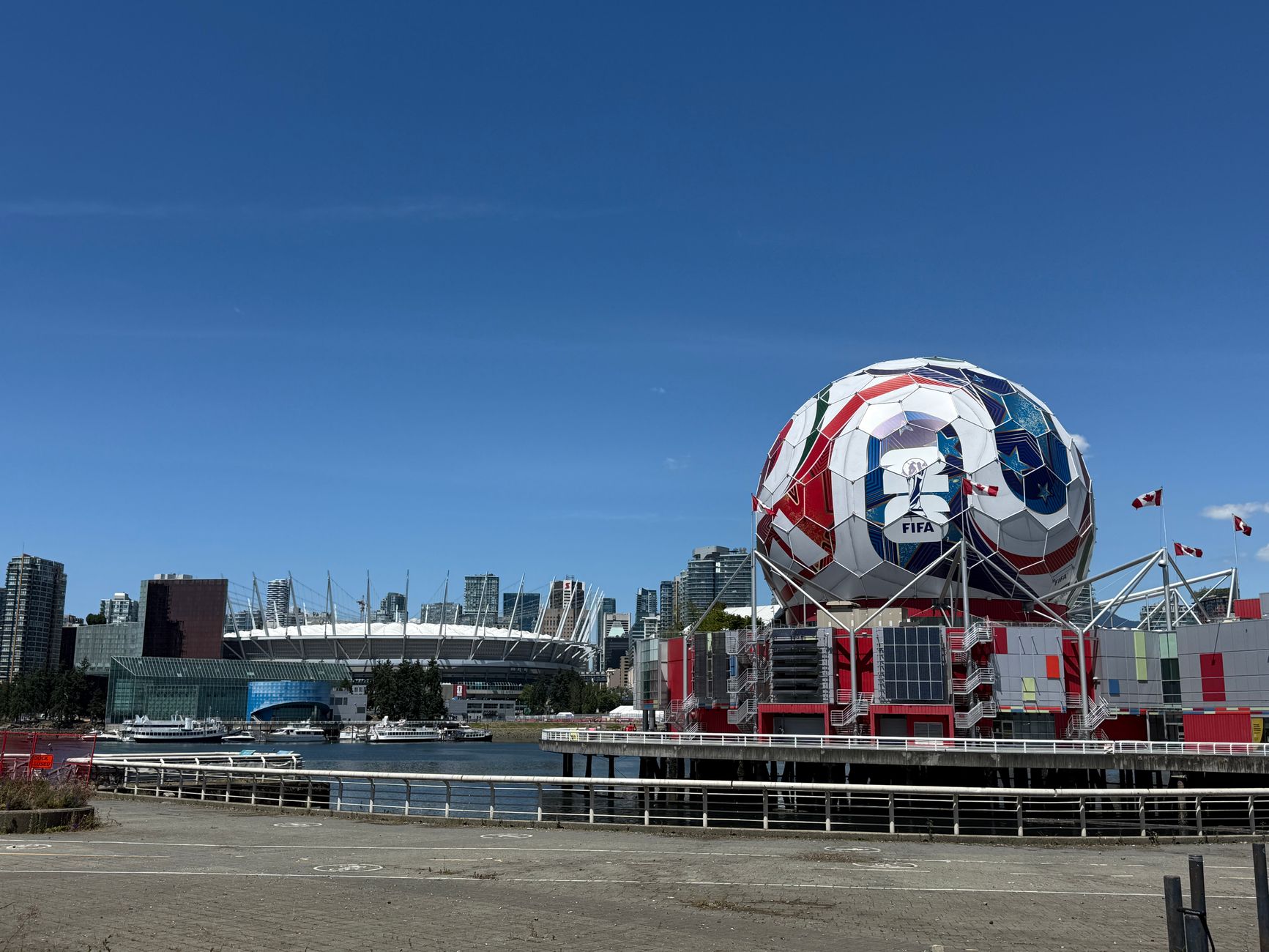
Photo by The Six on Pexels
The contrarian position worth defending: Group J produced the most consequential 3-3 draw in World Cup history not because of the scoreline itself, but because of the simultaneous advancement, simultaneous knockout implications, and late-match drama that compressed an entire tournament's worth of narrative into 96 minutes. The 2026 World Cup group stage closed with this match as its defining moment.
Frequently Asked Questions
Q: What was the final score of Algeria vs Austria at the 2026 World Cup?
A: The final score was 3-3. The match was played on June 27, 2026, at Arrowhead Stadium in Kansas City, with goals from Arnautovic, Sabitzer, and Kalajdzic for Austria, and Belghali and a Mahrez brace for Algeria. Both teams advanced to the knockout round.
Q: How did the Group J standings end after the group stage?
A: Argentina finished first with 7 points, Austria finished second with 4 points and a +1 goal difference, and Algeria finished third with 4 points and a 0 goal difference. Iran was eliminated with fewer points. All final standings were determined after the June 27, 2026 matches.
Q: Why did Algeria advance despite finishing third in Group J?
A: Algeria advanced because the 2026 FIFA World Cup format allows the eight best third-placed teams across all groups to qualify for the Round of 32. Algeria's 4 points and 3 goals scored placed them among those eight teams based on the tournament's third-place ranking criteria.
Q: Who scored the goals in the Algeria vs Austria match?
A: Marko Arnautovic scored in the 28th minute, Rafik Belghali in the 45th, Marcel Sabitzer in the 55th, Riyad Mahrez in the 60th and 90+3rd, and Sasa Kalajdzic in the 90+6th minute. Each goal contributed to the final 3-3 scoreline and the eventual knockout qualification.
Q: What are the knockout-stage opponents for Austria and Algeria?
A: Austria will face Spain on Thursday in Los Angeles, California. Algeria will face Switzerland on Thursday night in Vancouver, British Columbia. Both matches are part of the 2026 FIFA World Cup Round of 32 fixture list.
Q: When was the last time Austria qualified for the World Cup knockout stage before 2026?
A: Austria had not qualified for the World Cup knockout stage since 1982, a 44-year absence that ended with their second-place finish in Group J at the 2026 FIFA World Cup. The 1982 tournament was held in Spain.
Q: How many African teams have advanced to the 2026 World Cup knockout stage?
A: Nine of ten African teams that participated in the 2026 FIFA World Cup advanced to the knockout stage, with Algeria's third-place finish in Group J completing that group. This represents a historic continental performance at the tournament level.
Thank you for reading.
Goal Moments · The Midnight Archive · An Exhibition of Thought