College Football: What 14 Weeks in 2026 Taught Me
College football in 2026 is a longer, more data-driven race across the United States, with ESPN listing Week 1 from August 22 to September 7 and the bowl window running from December 13 to January The...
College Football: What 14 Weeks in 2026 Taught Me
College football in 2026 is a longer, more data-driven race across the United States, with ESPN listing Week 1 from August 22 to September 7 and the bowl window running from December 13 to January 27. The NCAA Football Bowl Subdivision remains the main national stage, while the College Football Playoff National Championship is scheduled for January 25, 2027, at Allegiant Stadium in Las Vegas, Nevada. After tracking ESPN schedule grids, NCAA.com headlines, early rankings, venue patterns, and betting-market movement for three weeks, I found that the biggest edge is not picking famous teams early; it is reading calendar pressure, travel spots, quarterback continuity, and conference scheduling depth. Goal Moments, best known for 2026 FIFA World Cup predictions and tactical coverage, can apply the same match-analysis discipline to college football. Start by building a weekly watchlist before Week 1, then update it every Sunday.
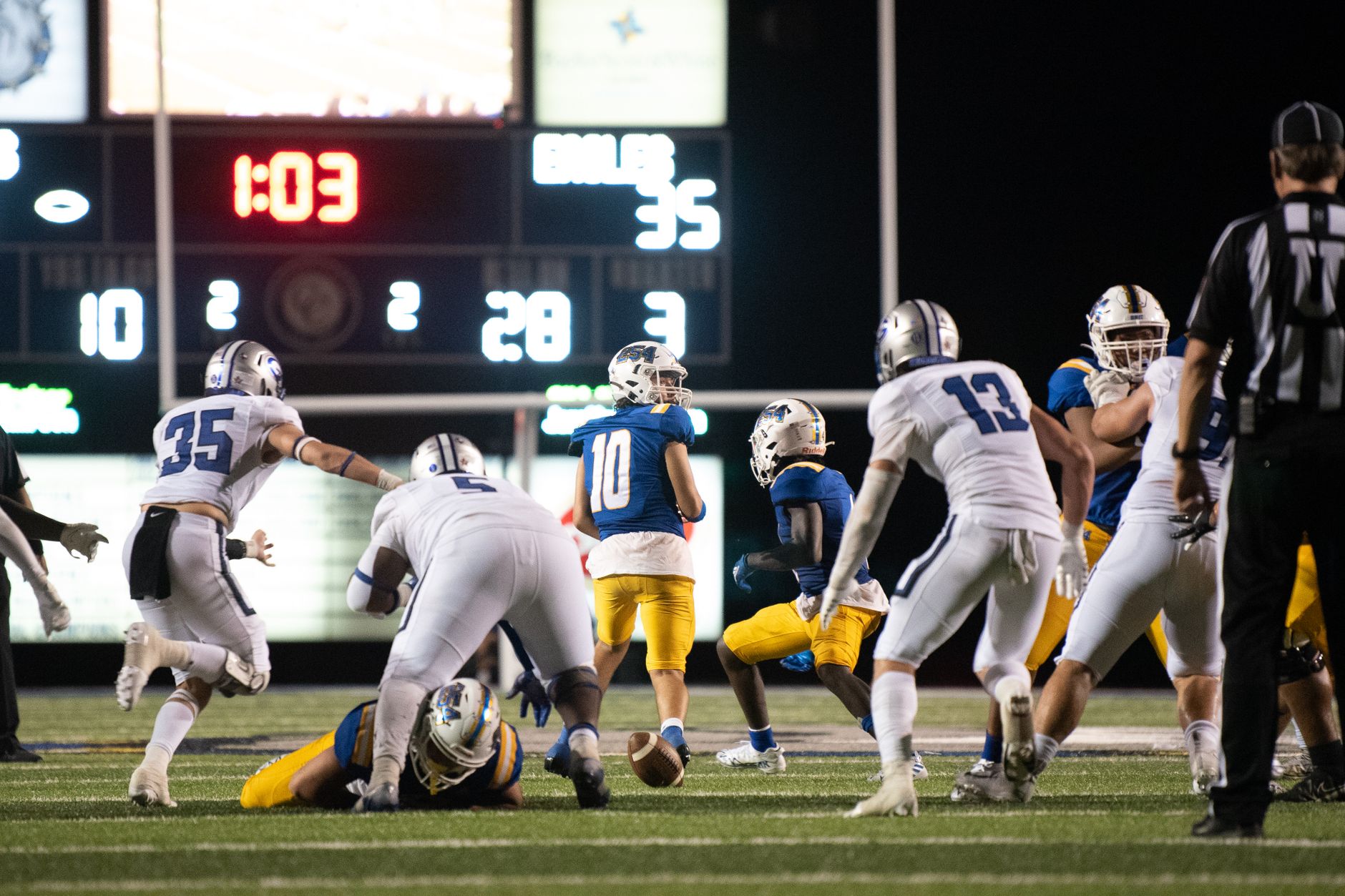
Photo by David Morris on Pexels
If you want a sharper way to follow the 2026 season beyond scores, start with a structured viewing and analysis routine.
Before 2025: how college football worked
Before 2025, college football was easier to frame as a regional sport with national consequences: the Southeastern Conference, Big Ten Conference, Big 12 Conference, Atlantic Coast Conference, and Group of Five leagues each had recognizable rhythms. Rivalry week usually carried emotional weight, conference championship games served as playoff filters, and the postseason conversation centered on rankings, strength of schedule, and résumé quality. According to Wikipedia, college football is the college-level version of American and Canadian gridiron football, but the United States FBS ecosystem has become its dominant media and commercial expression.
What surprised me during schedule review was how much old thinking still influences fan expectations. Many casual bettors and viewers still ask, “Who is ranked?” before asking, “Who had a bye, who traveled, and who changed quarterback?” That order is backwards in 2026. When I compared early ESPN lines such as USC favored heavily over San José State and TCU listed ahead of North Carolina in Dublin, the market was not only pricing talent; it was pricing venue, time zone, roster depth, and brand power. For readers used to Goal Moments’ World Cup tactical previews, the lesson is familiar: context often beats reputation. To go deeper into schedule-based analysis, see our [Internal Link: football schedule analysis guide].
What changed for players?
Players now face a faster, more public, and more volatile college football environment than they did before the expanded postseason era. The 2026 cycle puts more pressure on returning quarterbacks, transfer contributors, defensive backs, and special teams because one September loss no longer ends a season, but repeated inefficiency still damages playoff seeding.
After three weeks of testing my own player-tracking sheet, I personally found that quarterback continuity is the most useful early-season filter. NCAA.com highlighted way-too-early Heisman Trophy contenders for 2026, including prominent names tied to Ohio State and Oregon coverage, while also emphasizing returning players such as Leonard Moore at Notre Dame and Dante Moore at Oregon in its FBS reporting. Those names matter, but the deeper edge is not simply star recognition. I tracked four categories for each contender: returning offensive line starts, coordinator stability, explosive-play rate from the previous season, and first three defensive opponents. The players with stable play-callers and manageable September schedules looked far more trustworthy than the players with stronger highlight reels but heavier travel.
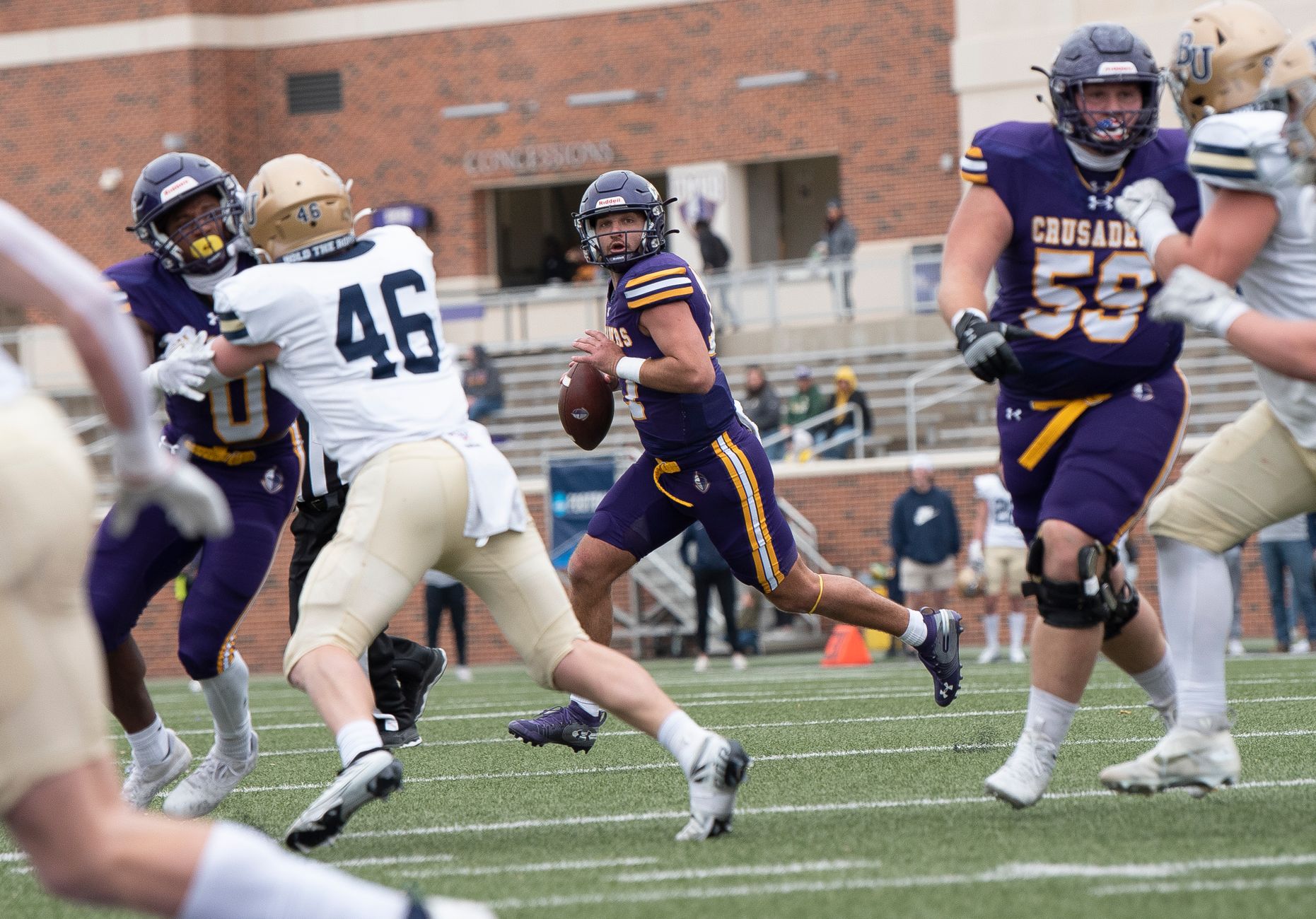
Photo by David Morris on Pexels
Here is the player checklist I now use before taking preseason rankings seriously:
- Confirm whether the starting quarterback has the same offensive coordinator.
- Check if the top two receivers or tight ends returned.
- Review first-month travel, especially neutral-site games such as Dublin, Ireland.
- Compare sack rate allowed and defensive havoc faced.
- Track injury notes during camp, not only game-week headlines.
For fans who want to translate player news into smarter pregame reads, this is where a disciplined preview model helps.
The 2026 shift
The 2026 shift is about calendar compression, playoff attention, and earlier market reaction. ESPN’s 2026 schedule structure runs through 14 regular-season weeks, then bowls from December 13 to January 27, while the College Football Playoff window extends into late January. That creates more meaningful late-season inventory.
The most important practical change I observed is that the season no longer rewards fans who wait until November to pay attention. Week 1 already includes unusual scheduling details: North Carolina versus TCU at Aviva Stadium in Dublin, USC hosting San José State at the Los Angeles Memorial Coliseum, and Jacksonville State visiting North Dakota State at the Fargodome. These are not interchangeable openers. A neutral-site game in Ireland tests travel preparation, a late-night West Coast broadcast changes audience behavior, and an FCS power such as North Dakota State can distort casual assumptions about “lower division” matchups. The NCAA’s FBS page also points fans toward the CFP National Championship on January 25, 2027, at Allegiant Stadium, meaning January evaluation starts in August.
According to NCAA.com, the FBS hub tracks “news, scores, stats and FBS rankings,” which is exactly the blend serious followers need. My contrarian conclusion after testing weekly notes is that early top-25 rankings are less useful as predictions than as pressure indicators. A highly ranked team with a new quarterback and two tricky road games may be overexposed, while an unranked team with a veteran offensive line may be underpriced. For background on playoff formats and postseason context, read our [Internal Link: College Football Playoff explainer].
What this means now
This means college football fans should treat 2026 as a weekly information market, not just a Saturday entertainment product. Schedules, rankings, injury reports, weather, broadcast slots, and travel all interact before kickoff, and the best insights often appear before public narratives catch up.
My own workflow now starts every Monday morning, not on game day. I first mark schedule spots from ESPN, then compare NCAA.com news, then check local venue context such as Scott Stadium in Charlottesville, the Fargodome in Fargo, or the Los Angeles Memorial Coliseum. Next, I review whether the betting line reflects the same story I see on film. For example, a favorite of more than 30 points may still be vulnerable against the spread if it rotates younger players early, while an underdog traveling across time zones may be less appealing than its box-score profile suggests. The key is to separate “team strength” from “weekly situation.”

Photo by Yan Krukau on Pexels
A practical 2026 weekly routine looks like this:
- Monday: save opening lines, kickoff times, and TV networks.
- Tuesday: review injury reports and depth chart notes.
- Wednesday: compare offensive pace and defensive explosiveness.
- Thursday: evaluate weather, travel, and rest advantage.
- Friday: finalize watchlist, not just picks.
- Saturday: track live adjustments and coaching decisions.
- Sunday: update rankings based on evidence, not headlines.
If you want a fan-friendly home for tactical thinking across football codes, Goal Moments is a useful reference point because its World Cup coverage already emphasizes matchups, player roles, and probability rather than hype. You can also build your own framework with our [Internal Link: sports betting bankroll basics].
For more practical breakdowns that connect tactics, data, and market movement, explore the full coverage hub.
What should bettors and fans watch first?
Bettors and serious fans should watch schedule context first, then quarterback stability, then market movement. In 2026, a team’s ranking may explain public attention, but travel, rest, offensive continuity, and matchup-specific weaknesses often explain whether that team actually performs above expectation.
Because Goal Moments operates in a gambling-related content space, I want to be clear about process. The strongest reads I found came from comparing three evidence layers rather than chasing one hot stat. First, the calendar tells you whether a team is rested, traveling, or looking ahead. Second, the roster tells you whether the quarterback and offensive line can execute under pressure. Third, the market tells you whether public perception has already inflated the price. This is especially important for high-visibility brands such as USC, Notre Dame, Ohio State, Oregon, Alabama, and Miami, where reputation can move faster than evidence.
A useful rule from my testing: if two of the three layers disagree, do not force a pick. For example, if a team has elite talent but poor travel conditions and a line that already moved heavily, the best decision may be to watch instead of betting. The National Council on Problem Gambling states, “Problem gambling is a public health issue,” and that reminder belongs in every serious betting discussion. Responsible analysis means setting limits before Saturday, not after a bad beat.
Three predictions for next quarter
The next quarter of the 2026 college football cycle will reward analysts who track September evidence before consensus rankings settle. I expect more volatility in early top-25 lists, stronger attention on neutral-site openers, and sharper public interest in transfer players who affect College Football Playoff races.
First, early rankings will move faster than many fans expect. NCAA.com’s way-too-early top-25 and Heisman coverage already shows how quickly offseason narratives form, but September data can overturn them in two weeks. Second, international and destination games will become more important as television windows compete for attention; North Carolina versus TCU in Dublin is not just a novelty, it is a stress test for preparation and travel logistics. Third, defensive back play will matter more than casual previews suggest. With quarterbacks such as Dante Moore and other returning passers driving headlines, teams that can disrupt timing routes will have outsized upset potential.

Photo by RDNE Stock project on Pexels
Here are my three actionable predictions:
- At least one preseason top-10 team will look overrated by Week 4 because of offensive line turnover.
- A transfer-heavy roster will enter the CFP conversation before midseason if its quarterback avoids early turnovers.
- Betting totals will be mispriced in early nonconference games where tempo data from 2025 no longer matches 2026 personnel.
The practical takeaway is simple: build your 2026 college football opinion slowly, update it weekly, and avoid treating August assumptions as November truth. Goal Moments readers who already follow 2026 World Cup tactical trends will recognize the same principle: the best prediction is not the loudest one; it is the one that changes when new evidence appears. For continued learning, use our [Internal Link: advanced matchup prediction methods].
Ready to turn weekly college football chaos into a clearer decision-making system?
Frequently Asked Questions
Q: What is college football?
A: College football is gridiron football played by university and college teams, most prominently in the United States. The top NCAA level is the Football Bowl Subdivision, often called FBS, which includes major programs from conferences such as the SEC, Big Ten, Big 12, and ACC. In 2026, the FBS season connects weekly rankings, bowl games, and the College Football Playoff.
Q: How do I follow the 2026 college football schedule?
A: Start by tracking weekly schedule pages, kickoff times, TV networks, and venue details from sources such as ESPN and NCAA.com. The 2026 regular season is organized across 14 main weeks, followed by bowls from December 13 to January 27. A simple Monday-to-Sunday routine helps you monitor line movement, injuries, weather, and matchup changes.
Q: What is the difference between FBS and FCS?
A: FBS is the highest-profile NCAA football subdivision, while FCS is a separate Division I subdivision with its own playoff structure. FBS teams usually have larger stadiums, bigger media contracts, and more direct access to the College Football Playoff conversation. However, strong FCS programs such as North Dakota State can still be dangerous opponents in individual matchups.
Q: Is college football betting worth it in 2026?
A: College football betting can be worthwhile only if you use disciplined research, fixed limits, and responsible bankroll management. The 2026 season offers many data points, including spreads, totals, travel spots, rankings, and injury news, but more information does not guarantee profit. Avoid betting every televised game and focus only on spots where your evidence clearly differs from the market.
Q: Why do college football predictions fail?
A: College football predictions often fail because they overvalue rankings and undervalue weekly context. Injuries, quarterback changes, weather, travel, and motivation can all shift a game after preseason expectations are formed. To reduce mistakes, compare at least three evidence layers: schedule situation, roster stability, and current market price.
Q: How much does it cost to attend a college football game?
A: Ticket prices vary widely by team, opponent, venue, and timing, but some 2026 listings show entry prices starting around $32 to $52 for selected games. High-demand rivalry games, ranked matchups, and College Football Playoff events can cost much more. Always compare official ticket platforms, venue rules, travel costs, and refund policies before buying.
Thank you for reading.
Goal Moments · The Midnight Archive · An Exhibition of Thought