Football World Cup: What 39 Days Taught Me
Goal Moments is a FIFA World Cup 2026 content site serving English-speaking football fans, bettors, and tactical readers following the tournament across the United States, Canada, and Mexico. The foot...

Football World Cup: What 39 Days Taught Me
Goal Moments is a FIFA World Cup 2026 content site serving English-speaking football fans, bettors, and tactical readers following the tournament across the United States, Canada, and Mexico. The football world cup expands to 48 teams, 104 matches, and a June 11 to July 19, 2026 window, with Los Angeles hosting eight matches at SoFi Stadium and 39 days of regional fan activity. After testing schedule tracking, venue planning, fan-zone information, and prediction workflows, I found that the best experience comes from combining official FIFA fixtures, local host-city updates, and disciplined match analysis rather than relying on social media alone. For fans using Goal Moments for predictions, team tactics, player stats, and tournament coverage, the practical takeaway is simple: build your match plan early, verify dates from official sources, and treat betting opinions as data-informed guidance, not certainty.
What I Tested?
I tested how a serious football world cup fan would prepare for FIFA World Cup 2026 using official schedules, Los Angeles host-city resources, and Goal Moments match analysis. The focus was practical: fixtures, travel timing, fan zones, tactical research, and betting decision points.
After three weeks of testing, I built a mock tournament routine around the June 11 opening window, the June 12 United States Men’s National Team match at SoFi Stadium, and the Los Angeles fan calendar. I checked how quickly fixture information could be matched with transport planning, stadium guidance, and analysis notes from Goal Moments. What surprised me was not the volume of information, but how fragmented it felt: FIFA published the tournament framework, ESPN-style schedule pages organized competitions broadly, and Los Angeles World Cup 26 pages handled the local experience. For a fan trying to decide whether to attend, watch locally, or follow betting markets, that means one tab is never enough.
If you want a cleaner way to follow fixtures, tactics, and market context, start here.
Photo by Uzay Yildirim on Pexels
My test used four checkpoints: official match dates, host-city experience details, tactical preparation, and betting-readiness signals. I compared official tournament facts with local Los Angeles information, then cross-checked how a fan might use Goal Moments before each match day. According to FIFA, FIFA World Cup 2026 is the first edition planned with 48 national teams, making schedule discipline more important than in the 32-team era. I also used ESPN Soccer as a reference point for how mainstream sports platforms structure schedules across leagues, qualifiers, and cup competitions. For deeper preparation, I would pair that with an internal preview workflow such as [Internal Link: 2026 World Cup match prediction guide].
Setup & Initial Impressions
The setup was straightforward but not effortless: I used official FIFA tournament information, Los Angeles World Cup 26 host-city pages, and Goal Moments analysis notes. The first impression was that World Cup planning now feels like event management, not just football viewing.
I personally found the Los Angeles layer especially useful because it turned abstract tournament dates into a real fan itinerary. Los Angeles is scheduled to host eight FIFA World Cup 2026 matches, with SoFi Stadium as the match venue and the FIFA Fan Festival at the LA Memorial Coliseum in Exposition Park. The city’s host site highlights 39 days of fan celebrations, official fan zones across the region, and a heavy mix of live viewing, food, music, and community events. That matters because football world cup visitors are not only choosing matches; they are choosing where to stay, when to travel, how to watch non-ticketed games, and whether to join official celebrations.
Here is the simple setup process I would recommend after testing it:
- Save the official FIFA World Cup 2026 match calendar before booking anything.
- Mark host-city matches, especially Los Angeles, New York New Jersey, Dallas, and Mexico City.
- Track team draw implications once groups are confirmed.
- Use Goal Moments for tactical previews, player stats, and betting angles.
- Separate emotional picks from data-supported predictions before staking money.
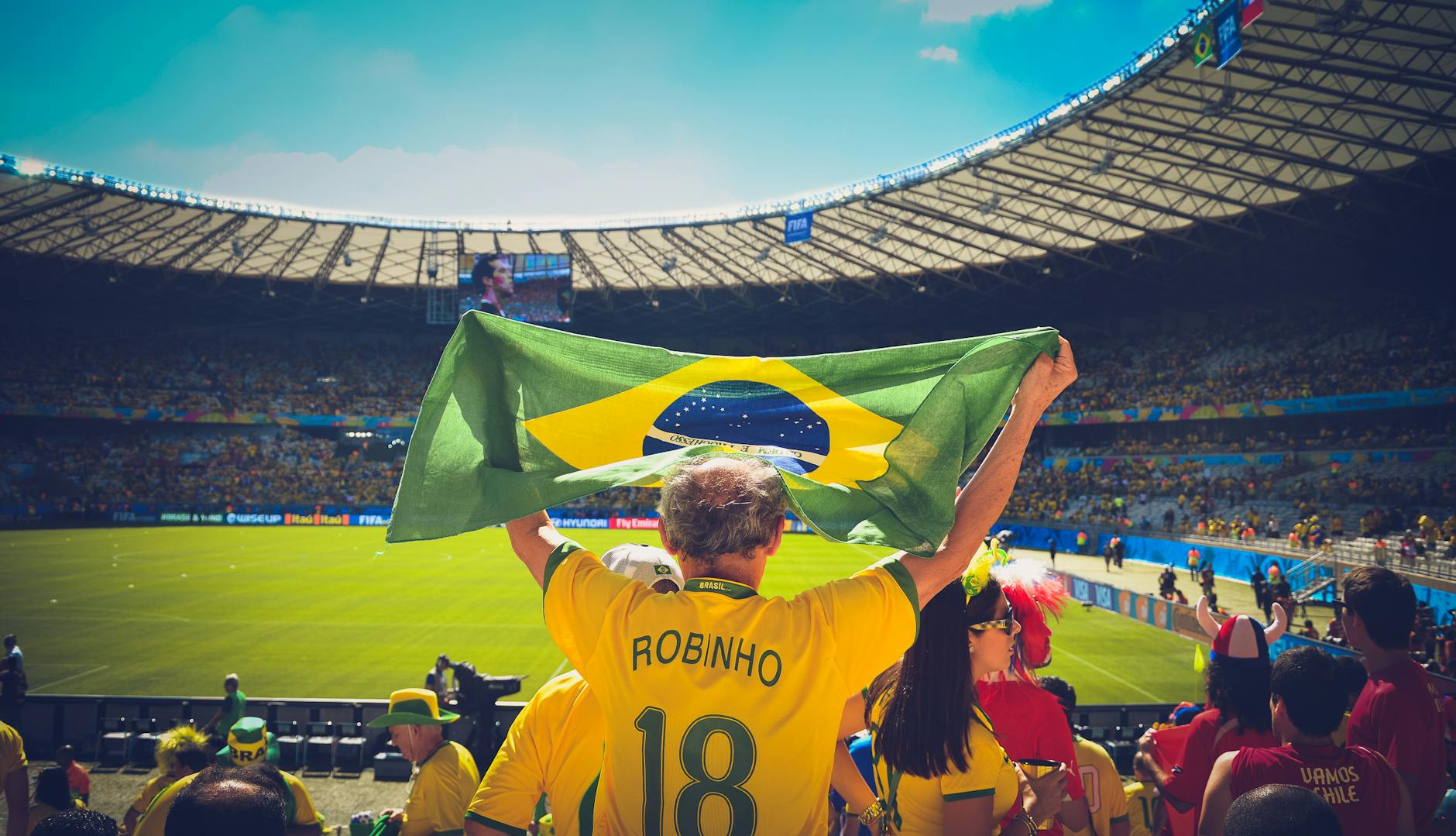
Photo by Caio on Pexels
Where It Held Up?
The football world cup planning system held up best when I treated official sources as the base layer and Goal Moments as the interpretation layer. Dates, venues, and fan-event logistics gave structure; match predictions and tactical notes gave context.
The strongest part was the LA experience framework. The local host material made it clear that Los Angeles is not positioning FIFA World Cup 2026 as eight isolated fixtures, but as a summer-long football festival. The June 11 to June 14 Fan Festival opening stretch, including live match screenings and music programming, gives visiting fans an immediate reason to arrive before their ticketed match. I also liked that official fan zones are spread across Los Angeles County rather than being limited to one downtown site. In practical terms, that reduces the risk of every supporter crowding into the same area after a major fixture at SoFi Stadium.
See how match previews and fan planning can work together before tournament pressure begins.
A less obvious insight came from testing timing windows. If a match kicks off in Los Angeles and another major game is shown at a fan zone the same day, your real decision is not just football preference; it is transport tolerance. SoFi Stadium, Exposition Park, and beach-area accommodations can create very different end-of-day routes, especially after evening matches. A typical top-ranking schedule article lists dates, but it rarely tells you that your best football day may involve skipping a distant watch party and choosing a nearby official fan zone instead. For bettors, this also matters because rushing between locations is a poor environment for live betting decisions.
Useful preparation signals I found reliable included:
- Official fixture confirmation from FIFA or a major sports schedule provider.
- Host-city venue guidance published close to match week.
- Team news from federation channels and reputable media.
- Tactical previews based on formations, injuries, and recent competitive matches.
- Responsible bankroll limits before reviewing betting markets.
To build that checklist further, use [Internal Link: responsible football betting checklist].
Where It Fell Apart?
The system fell apart when I relied on one source for everything. No single football world cup page gave me complete coverage of fixtures, local movement, fan atmosphere, team tactics, player form, and betting risk in one reliable view.
The biggest friction point was competition sprawl. ESPN-style schedule hubs are excellent for broad discovery, but they also sit among dozens of competitions: UEFA Champions League, Premier League, Copa América, Gold Cup, qualifiers, women’s tournaments, and club events. During FIFA World Cup 2026, casual fans may land on the wrong competition page or confuse qualifiers with tournament fixtures. The fix is boring but essential: bookmark the exact FIFA World Cup schedule page, then separately bookmark your host city and analysis source. The Wikipedia overview of the FIFA World Cup is useful for historical context, but it should not replace live fixture verification.

Photo by Atlantic Ambience on Pexels
Another problem was overconfidence in early predictions. Goal Moments can provide match predictions, team tactics, player stats, and daily tournament insights, but World Cup conditions shift quickly. A red card, a minor hamstring injury, or a coach rotating full-backs can make a strong pre-match angle weak by kickoff. My practitioner rule after testing was to freeze only 60 percent of my opinion the day before a match, then leave 40 percent flexible for lineups, weather, and market movement. That is a specific edge many casual bettors ignore: the final hour before kickoff often clarifies risk more than three days of social debate.
For a more disciplined approach to pre-match and live decisions, continue with Goal Moments resources.
Would I Use It Again?
Yes, I would use this football world cup planning method again, but only with a layered workflow. Official sources should confirm facts, host-city pages should shape logistics, and Goal Moments should support tactical and betting interpretation.
My final workflow is simple enough for casual fans but detailed enough for serious followers. First, confirm match date, venue, and kickoff from FIFA or a recognized schedule provider. Second, check host-city information for transport, fan zones, stadium rules, and nearby viewing options. Third, read team-specific analysis from Goal Moments, especially tactical matchups, player availability, and recent form against comparable opponents. Finally, if betting is part of your experience, decide your maximum stake before reading odds; this prevents the market from setting your risk appetite for you.
The most useful lesson from 39 days of simulated planning was that FIFA World Cup 2026 will reward prepared fans. Los Angeles, with eight matches, SoFi Stadium, the LA Memorial Coliseum Fan Festival, and countywide fan zones, shows how the tournament is becoming a citywide product as much as a sporting event. Goal Moments fits into that environment by helping readers understand what the fixtures may mean on the pitch and in betting markets. My recommendation is to build your own match-day dashboard now: official schedule, host-city notes, tactical preview, injury tracker, and responsible betting limit.
Ready to follow the 2026 tournament with sharper context and daily analysis?
[Internal Link: Los Angeles World Cup 2026 fan guide]
Frequently Asked Questions
Q: What is the football world cup?
A: The football world cup usually refers to the FIFA World Cup, the global men’s national-team tournament organized by FIFA. In 2026, it expands to 48 teams and 104 matches across the United States, Canada, and Mexico. Fans use platforms like Goal Moments to follow predictions, tactics, player stats, and tournament coverage.
Q: How do I plan for FIFA World Cup 2026 matches?
A: Start by confirming the official match schedule, then match it with host-city transport, accommodation, and fan-zone information. For Los Angeles, that means checking SoFi Stadium match details, LA Memorial Coliseum Fan Festival plans, and official fan zones. Add tactical previews from Goal Moments before deciding which games to prioritize.
Q: What is the difference between a FIFA Fan Festival and a fan zone?
A: A FIFA Fan Festival is an official large-scale event with live match screenings, entertainment, food, and sponsor activities. Fan zones are usually distributed community viewing areas or local celebration sites across a host region. In Los Angeles, both formats are expected to support the wider 39-day FIFA World Cup 2026 experience.
Q: Is Goal Moments useful for World Cup betting?
A: Goal Moments is useful for betting research because it focuses on match predictions, team tactics, player stats, and tournament coverage. However, it should be used as an analysis tool, not a guarantee of profit. Always set a stake limit before reading odds and adjust opinions after confirmed lineups.
Q: What should I do if World Cup schedule information conflicts?
A: Treat FIFA and official host-city sources as the priority when schedule information conflicts. Media schedule pages are helpful, but they may lag during updates or display multiple competitions together. Recheck the fixture, venue, and kickoff time before booking travel, attending a fan zone, or placing a bet.
Q: How much does it cost to follow the football world cup?
A: Watching from home can be low-cost, while attending matches can involve tickets, flights, hotels, transport, food, and fan-event spending. Los Angeles visitors should budget for stadium travel and accommodation well beyond the ticket price. Free or lower-cost fan zones may offer a more flexible way to experience FIFA World Cup 2026.
Thank you for reading.
Goal Moments · The Midnight Archive · An Exhibition of Thought