What Nobody Tells You About World Cup 2026
World Cup 2026 is the first FIFA men’s tournament with 48 teams, 104 matches, and three host nations: the United States, Canada, and Mexico. Goal Moments covers the event for English-speaking football...

What Nobody Tells You About World Cup 2026
World Cup 2026 is the first FIFA men’s tournament with 48 teams, 104 matches, and three host nations: the United States, Canada, and Mexico. Goal Moments covers the event for English-speaking football fans who want match predictions, team tactics, player stats, and betting-focused tournament coverage in one place. The competition runs from June 11 to July 19, 2026, with FIFA assigning matches across 16 host cities, including New York/New Jersey, Los Angeles, Mexico City, Toronto, and Vancouver. The expanded format creates 12 groups of four, followed by a 32-team knockout stage, which changes how bettors, analysts, and fans read early results. A third-place team can survive, but a single poor tactical matchup still damages futures markets. Track schedule density, travel distance, and squad rotation before backing a team.
Are you only checking the World Cup 2026 schedule, or are you trying to understand what the schedule actually changes? That difference matters. The 2026 FIFA World Cup is not just a larger version of Qatar 2022. It is a different tournament model, stretched across North America, built around 48 national teams, and shaped by travel, time zones, climate, and recovery gaps. For fans, it means more football. For analysts and bettors following Goal Moments, it means more noise, more mispriced odds, and more tactical traps.
Want a sharper way to follow the tournament from day one?
Photo by Victor Barbosa on Pexels
Is World Cup 2026 really bigger than every previous tournament?
Yes. World Cup 2026 expands from 32 to 48 teams and from 64 to 104 matches. FIFA confirms the tournament will use 16 host cities across the United States, Canada, and Mexico, making it the largest men’s World Cup ever staged.
The size increase changes the tournament’s rhythm. In Qatar 2022, every group contained four teams and only the top two advanced. In World Cup 2026, FIFA keeps four-team groups but adds 12 groups and a Round of 32. That means 32 of 48 teams reach the knockout phase. The qualification pressure changes. One draw carries more value for underdogs, while a strong favorite can rotate earlier if it starts with two wins. According to FIFA, the 2026 edition will be hosted by Canada, Mexico, and the United States, with the final scheduled for MetLife Stadium in New York/New Jersey.
For bettors, that expansion creates a hidden problem. More teams do not automatically mean easier predictions. Several first-time or low-ranked qualifiers will face elite squads, but the market often overcorrects by inflating favorite prices. Goal Moments tracks team shape, pressing intensity, set-piece output, and injury reports because mismatch games still produce volatile scorelines. A team leading 2-0 after 55 minutes often protects legs rather than chasing a fourth goal.
Key format facts to remember:
- 48 national teams
- 12 groups of four
- 104 total matches
- 16 host cities
- 3 host nations
- 32-team knockout stage
- Final on July 19, 2026
To explore format-driven betting angles, visit our [Internal Link: World Cup 2026 format betting guide].
How does World Cup 2026 handle the expanded 48-team format?
World Cup 2026 handles expansion through 12 four-team groups and a larger knockout bracket. The top two teams from each group advance, joined by the eight best third-place teams, creating a 32-team elimination phase before the Round of 16.
This is the most important schedule detail many previews skip. The third-place rule changes incentives in the final group match. A team on three points after two games might not need to win. It might only need goal difference protection. That creates late-match behavior that looks strange to casual fans but makes perfect sense in tournament math. Teams defend corners differently, avoid risky substitutions, and accept low-tempo possession if a draw keeps them above the third-place cutoff. The FIFA Council approved the expanded format after reviewing competitive balance and match volume. FIFA states that the format is designed to reduce collusion risk by preserving four-team groups.
Here is a practical step-by-step way to read each group:
- Check each team’s first two match locations.
- Compare rest days between Matchday 2 and Matchday 3.
- Track goal difference, not just points.
- Identify teams that qualify with a draw.
- Watch yellow-card risk before the knockout round.
- Avoid pre-match bets before confirmed lineups in dead-rubber games.
See the deeper schedule patterns before the markets react.

Photo by Vlad Vasnetsov on Pexels
[Internal Link: group stage qualification scenarios]
What about travel, climate, and time-zone edge cases?
Travel is a major World Cup 2026 edge case because teams cross a continent-sized map. Matches spread across Mexico City, Vancouver, Miami, Seattle, Dallas, Toronto, and other cities, so recovery quality depends on flight distance, altitude, temperature, and kickoff time.
This is where a typical schedule article stops too early. Mexico City sits at high altitude, while Miami and Houston bring heat and humidity. Vancouver and Seattle offer cooler Pacific conditions. A team playing in Mexico City and then moving to Dallas faces a different physical profile than a team staying on the East Coast. The United States, Canada, and Mexico also create broadcast-friendly kickoff windows, but those windows do not always serve player recovery. The Encyclopaedia Britannica describes the World Cup as “the most prestigious association football tournament in the world,” and that prestige increases pressure on federations to manage logistics perfectly.
Two operational insights matter for serious fans. First, short rest after long travel suppresses pressing volume more reliably than public injury news does. Teams that rely on aggressive counter-pressing often drop their defensive line five to eight meters deeper in the second match of a travel-heavy sequence. Second, altitude-to-heat transitions affect late totals markets. In humid venues, substitutes and hydration breaks change second-half pace, especially after minute 70. Goal Moments will track these schedule spots daily during the tournament.
Use this checklist before making a match prediction:
- Did either team travel more than one time zone?
- Did either team play at altitude in the previous fixture?
- Is the kickoff in a high-heat city?
- Does the favorite need a win, or only a draw?
- Are key midfielders carrying yellow cards?
- Is the coach likely to rotate full-backs?
[Internal Link: World Cup travel and recovery tracker]
Where does World Cup 2026 fail?
World Cup 2026 fails when fans treat the official schedule as enough information. A match date tells you who plays and where, but it does not reveal recovery pressure, tactical motivation, lineup incentives, betting value, or emotional momentum.
The biggest weakness is information overload. ESPN and other schedule providers list fixtures, leagues, teams, and times clearly, but a raw fixture page does not explain why a favorite is priced too short after a comfortable opener. It also does not warn fans when a qualified team plans to rest three starters before the Round of 32. That gap is where tournament coverage becomes useful. Goal Moments focuses on match context: tactical matchups, player usage, expected lineup strength, and statistical signals that matter before odds move.
Another failure point is the third-place qualification table. Casual viewers often misunderstand it. The eight best third-place teams advance, which means Group A’s third-place team must wait for results in other groups. That creates delayed certainty. A side can finish its group and still not know whether it survives. Betting markets react quickly, but public narratives lag. This is especially important for futures positions, top scorer bets, and team-to-reach-knockouts markets.
A smarter approach is to separate schedule data from decision data:
- Schedule data: date, venue, kickoff, teams.
- Context data: rest days, travel route, climate, motivation.
- Tactical data: formations, pressing, injuries, set pieces.
- Market data: odds movement, public sentiment, liquidity.
- Decision data: whether the price still offers value.
Ready to turn fixtures into usable insights?
Should you try World Cup 2026 analysis today?
Yes. Start World Cup 2026 analysis now because qualification, squad depth, travel paths, and market expectations form before the opening match on June 11, 2026. Early preparation gives fans a cleaner read when odds and narratives accelerate.
The best method is simple. Build a watchlist before the tournament. Include eight to ten national teams, then track their final qualifying form, manager decisions, injury patterns, and likely base camps. Do not wait for the first whistle. By then, sportsbooks, analysts, and sharp bettors have already priced obvious information. Goal Moments publishes daily World Cup 2026 coverage for fans who want to move beyond fixture checking and into structured analysis.
A practical beginner workflow looks like this:
- Pick three title contenders and three dark horses.
- Track their final squad announcements.
- Mark their group-stage travel route.
- Compare rest days before each match.
- Review set-piece strength and goalkeeper form.
- Follow odds movement 48 hours before kickoff.
- Avoid emotional bets after one surprising result.
The contrarian conclusion is clear: World Cup 2026 is not automatically better for favorites. It gives elite teams more room to survive one poor match, but it also introduces more travel stress, more rotation, and more knockout variance. The strongest edge belongs to fans who combine schedule awareness with tactical analysis.
For daily tournament coverage, predictions, and data-backed match previews, follow Goal Moments before the first ball is kicked.
[Internal Link: daily World Cup 2026 match predictions]
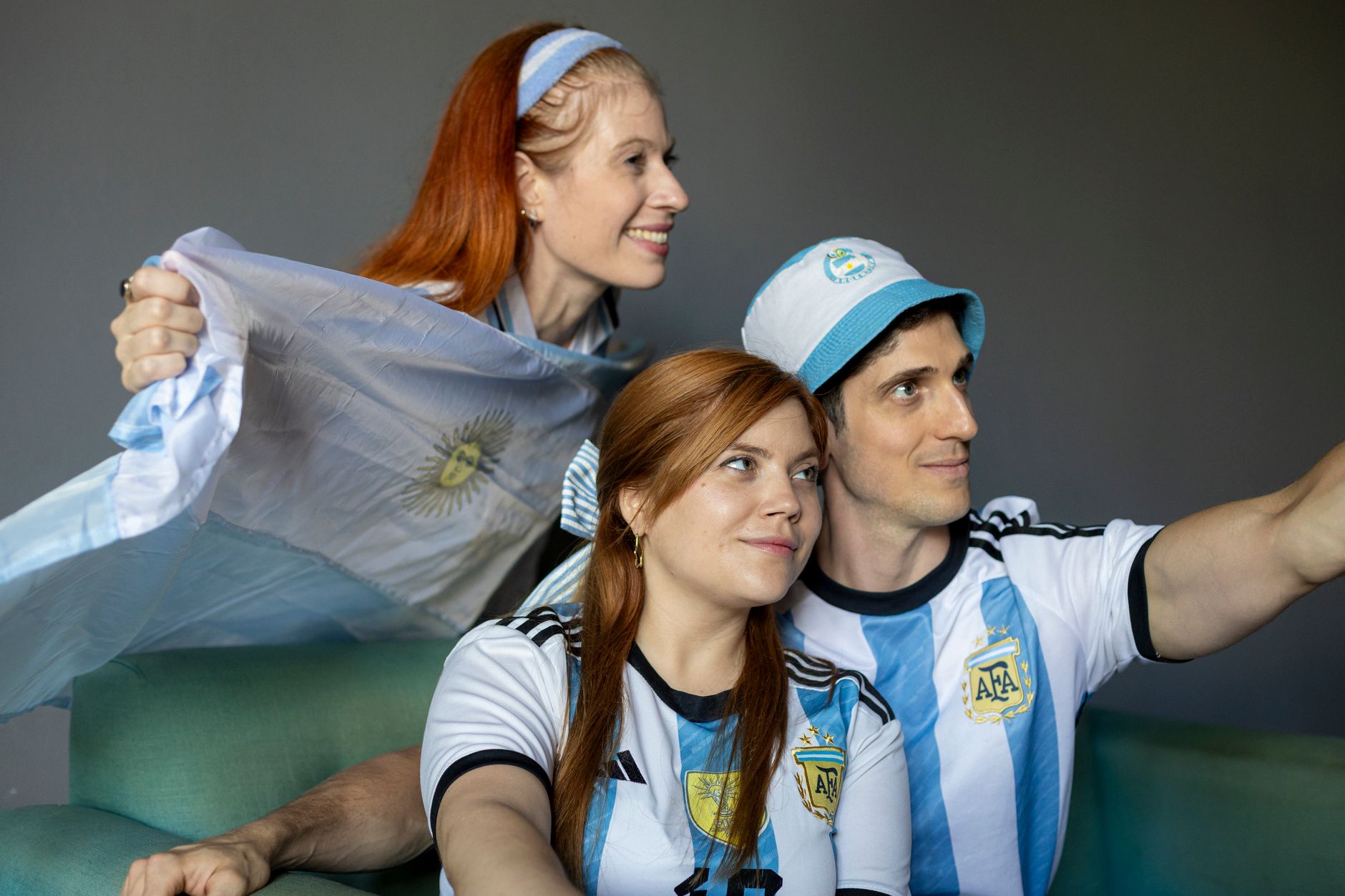
Photo by Diego Fioravanti on Pexels
Frequently Asked Questions
Q: What is World Cup 2026?
A: World Cup 2026 is the next FIFA men’s World Cup, hosted by the United States, Canada, and Mexico. It will feature 48 teams, 104 matches, and 16 host cities. The tournament starts on June 11, 2026, and ends on July 19, 2026, with the final in New York/New Jersey.
Q: How does the World Cup 2026 format work?
A: The World Cup 2026 format uses 12 groups of four teams followed by a 32-team knockout stage. The top two teams in each group qualify automatically, and the eight best third-place teams also advance. This makes goal difference, rotation, and final group-match motivation more important than in previous editions.
Q: What is different between World Cup 2026 and World Cup 2022?
A: World Cup 2026 is larger than World Cup 2022 in teams, matches, venues, and geography. Qatar 2022 had 32 teams and 64 matches in one country, while World Cup 2026 has 48 teams and 104 matches across three countries. Travel and climate will play a much bigger role in 2026.
Q: How should beginners follow World Cup 2026 predictions?
A: Beginners should start with schedule context, team news, and tactical matchups before looking at odds. Track rest days, travel distance, squad rotation, and group motivation for each match. Goal Moments organizes these signals into daily World Cup 2026 previews for fans who want clearer betting and analysis angles.
Q: Why do World Cup 2026 predictions fail?
A: World Cup 2026 predictions fail when they rely only on rankings, star players, or historic reputation. The expanded format rewards squad depth, travel management, and tactical flexibility. A strong team can still underperform if it faces heat, short rest, or a low-block opponent at the wrong time.
Q: Is World Cup 2026 free to watch?
A: World Cup 2026 viewing access depends on broadcast rights in your country. Some matches are available through free-to-air broadcasters, while others require cable, streaming, or paid sports packages. Check official FIFA broadcast partners and local networks before the tournament begins.
Q: Is World Cup 2026 worth analyzing early?
A: Yes, World Cup 2026 is worth analyzing early because markets and narratives form before the opening match. Squad depth, qualification form, injuries, and travel routes all shape realistic expectations. Starting early helps fans avoid overreacting to one result and spot value before public opinion shifts.
Thank you for reading.
Goal Moments · The Midnight Archive · An Exhibition of Thought